Published “Socrates, How is Engineering Knowledge Attained?” in STRUCTURE magazine April 2013.
See PDF of article below…
Published “Socrates, How is Engineering Knowledge Attained?” in STRUCTURE magazine April 2013.
See PDF of article below…
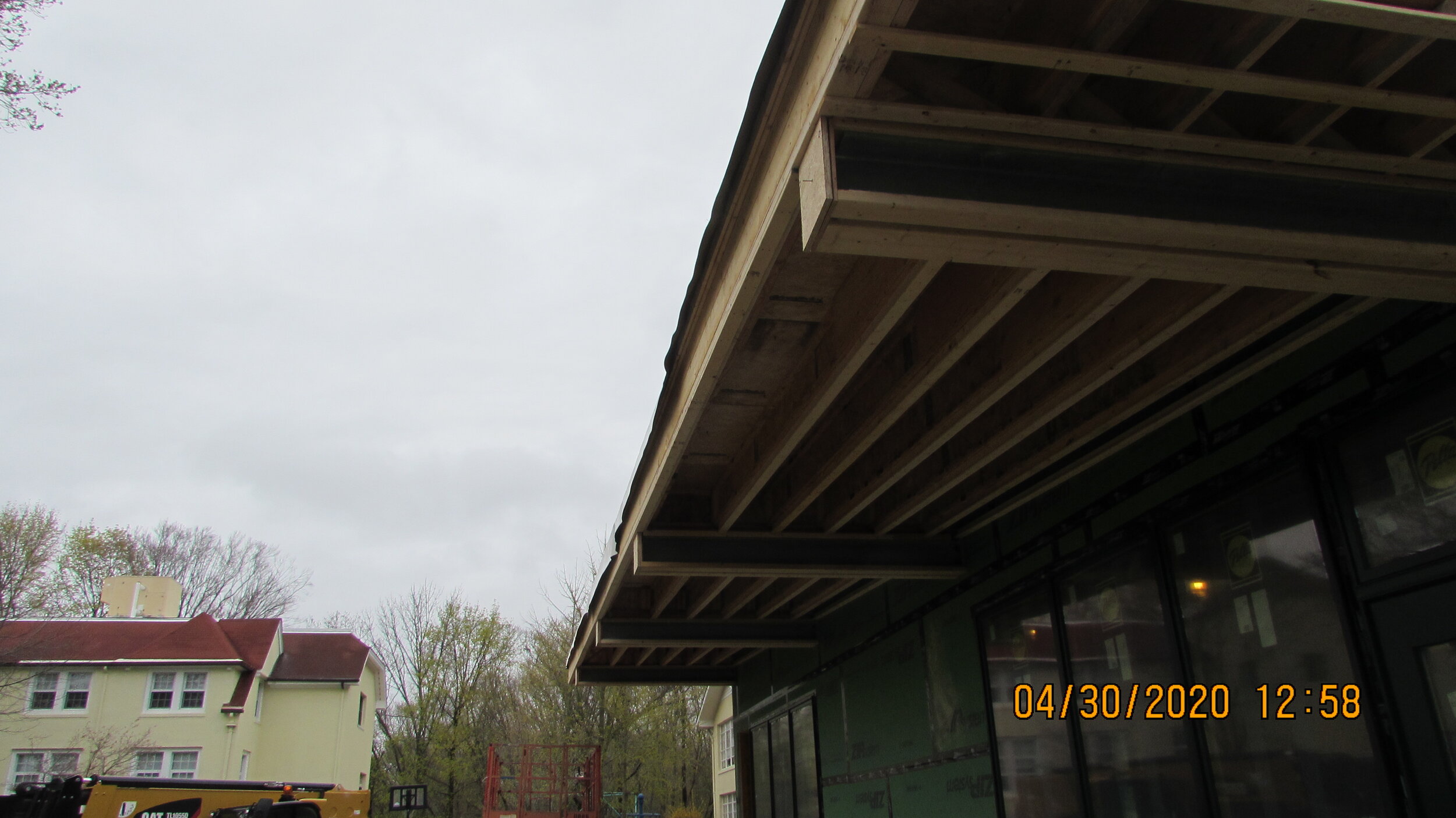
M. Cohen and Sons steel installed the West Entry to the future Queens Museum recently (Grimshaw Architects / Amman and Whitney / Capco). The design is a seamless stainless steel cantilevered frame with a 1/2″ thick edge on all three sides. We were the structural engineers for the canopy and designed the canopy within a 1/16″ edge tolerance by unhinging the stainless steel from the deflection of the carbon steel cantilevers.
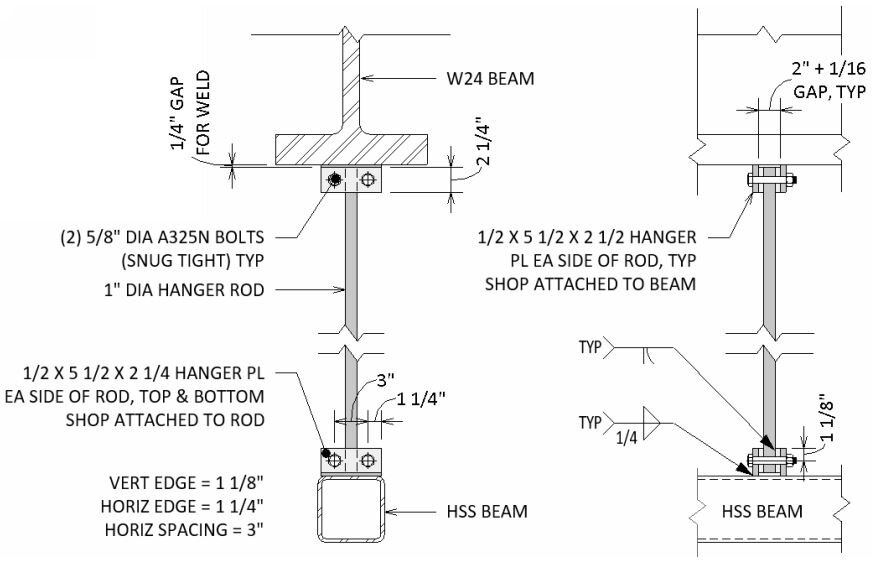
Under thermal movements, the walls are designed to move with the contraction and expansion of the roof, so the walls were hung. This allowed the joint between the wall and the roof to be seamless. Here is a portion of our BIM model…
Here is a Video
We were involved in helping reshape the future of this iconic building…the nations oldest shopping mall into tiny lofts. Here is a great recent article…
http://www.architizer.com/en_us/
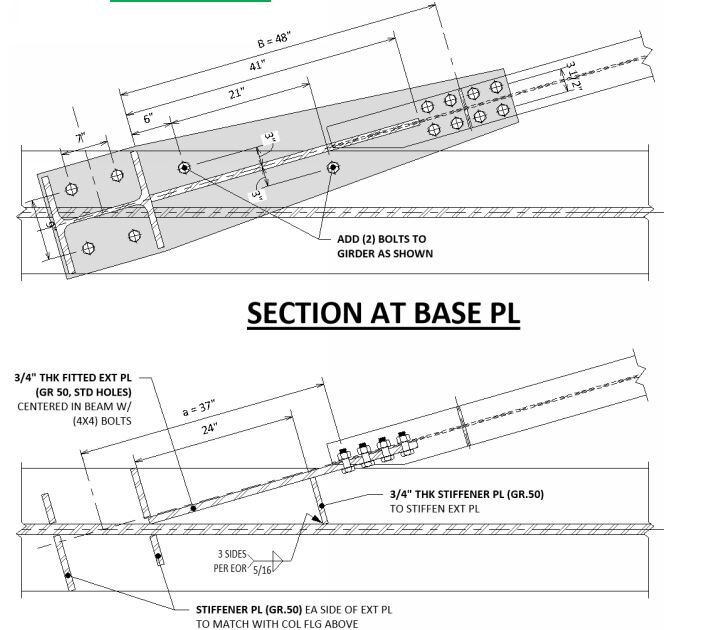
We worked with Northeast Collaborative Architects and developer Evan Granoff to add some headers, infill walls, a bridge, and other stabilizing elements to the Arcade. The two upper floors will become 48 apartments between 225 and 450 square feet.

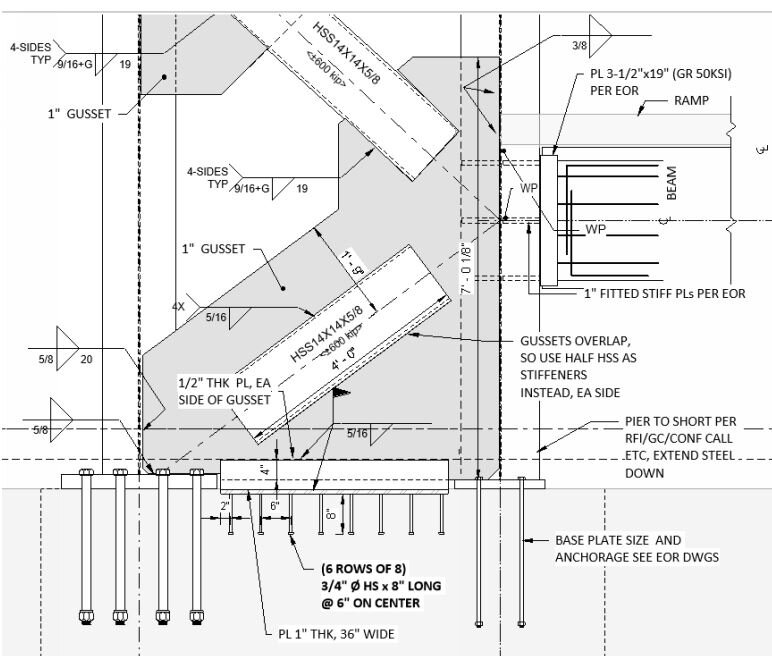
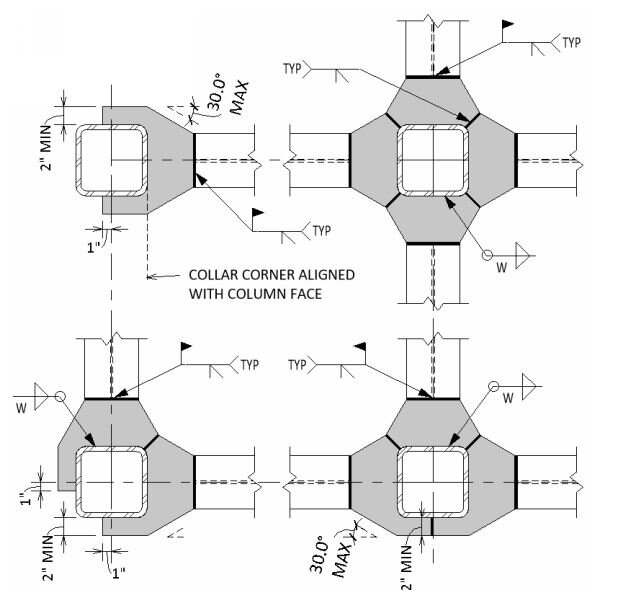
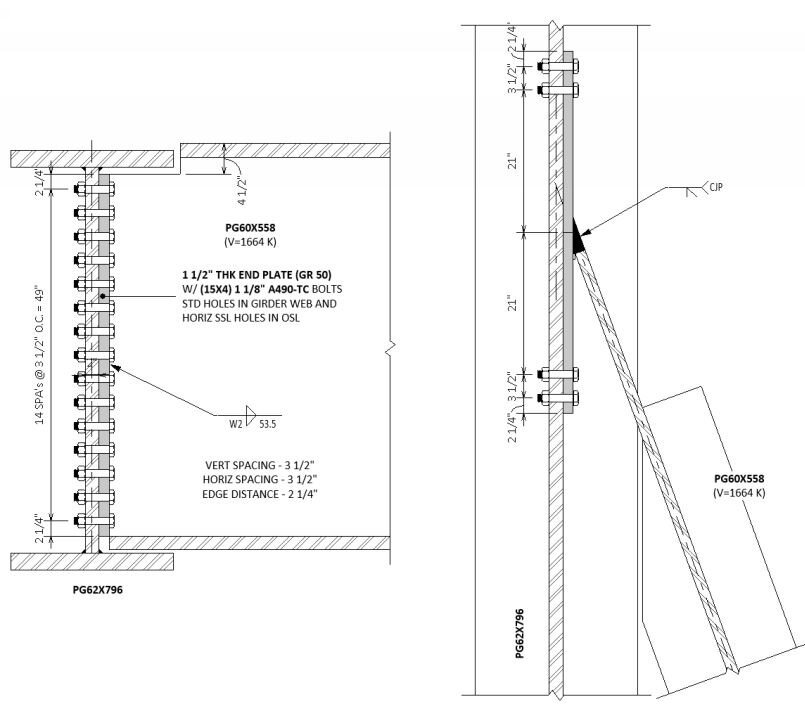
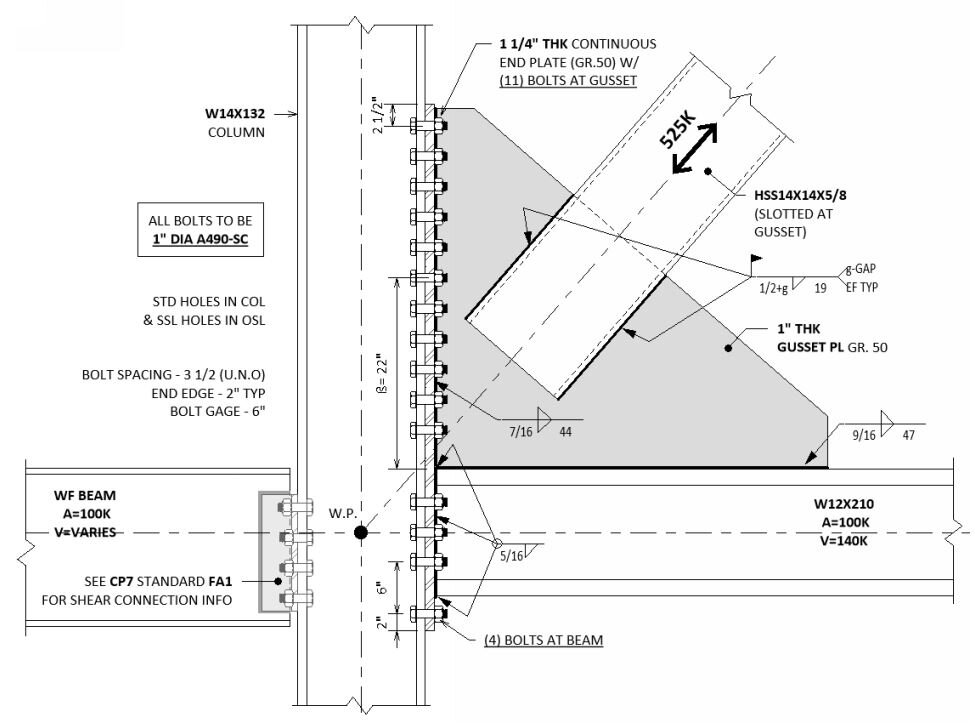
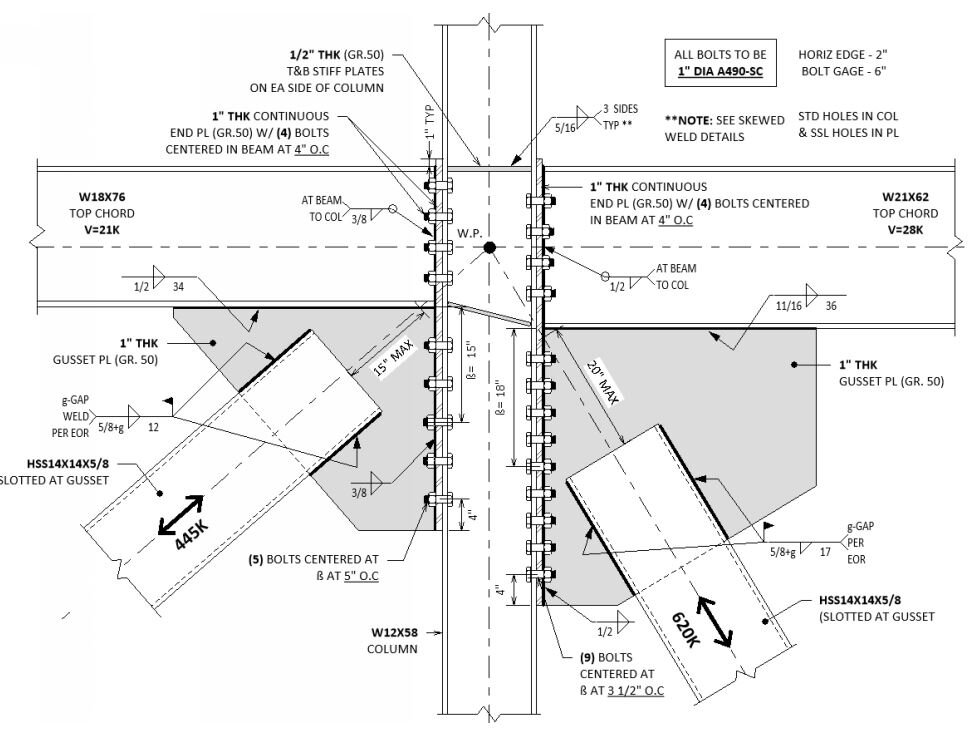
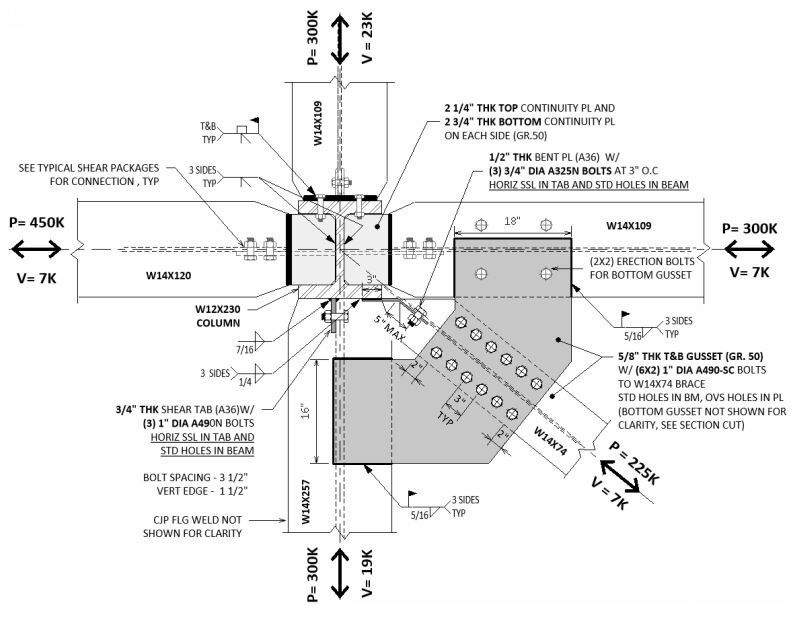
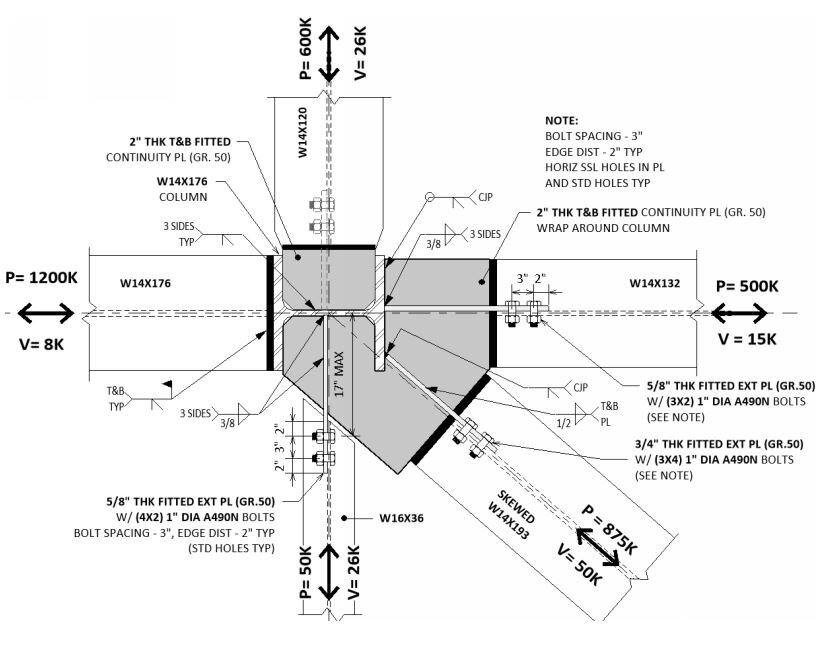
In January 2013, Ethan and I published an article in MSC related to reducing the amount of expensive CJP welds and substituting fillets welds instead. We provided a simple table to assist the engineer and fabricator in using fillets instead of CJP welds…

See the following PDF for more info: Economical Steel Design (MSC)
Trusses are simply built out of triangles. The trick is to determine which members are in tension and which members are in compression. There are only two types of triangles, one that has two tension members, and one that has only one tensions member…
I simply replaced the compression member with the tension member (stick to string) so you can see which are tension. If we do this to a full truss we have…
As you can see, the bottom chord is in tension and the top chord is in compression. Also, the trick to determining which diagonal or vertical member is in tension or compression, is ask if they follow the same curve as a hanging chain would between the two end points. If they do, they are in tension, if not, they are in compression.
This is a stable truss for gravity loads…
What is really interesting about changing out the sticks for strings when they are in tension, is the fact that the entire truss can not be folded! Check it out…
Think about how this can be extend to designing and building folding architecture, temporary construction, or tents etc.
Lamella structures are created using many pieces of the exact same member shape and connection. So 1000 pieces of something and stacked in a certain manner…
You can imagine it can get pretty big depending on the size of the individual beams and the quantity. Here a pic with my RISD class a few years back that we built together from sticks I cut in my basement and eye hooks to temporarily hold the pieces together…
I wrote about the physics of this system as well… Published “Infinite Load Path?” October 2007 Structure Magazine if interested.
For a arch to be prefect, it must be shaped such that it is in uniform compression. Basically the inverse of a hanging chain. So we can build what Robert Hooke describes in 1675 “as hangs the flexible line, so but inverted will stand the rigid arch”. So, we can hang strings from a sheet of plywood, trace and cut…
As the thin shell innovator Heinz Isler would say “One does not actually create the form; one lets it become, as it has to according to its own law”. Also, this is an exceedingly complex mathematical shape called the hyperbolic cosine or catenary.
So we cut …
Remove…
And build…